North Texas Brace for Impact: A Wind Advisory Signals Strong Winds and a Steep Temperature Plunge
North Texas is renowned for its dynamic weather patterns, but even by local standards, the shift currently underway is remarkable. Following a record-breaking warm Sunday that saw temperatures soar, residents are now advised to prepare for a dramatic cool-down accompanied by powerful, gusty winds. A critical Wind Advisory is in effect, signaling not just a significant temperature drop but also conditions that demand increased caution and preparedness across the region.
This article delves into the specifics of the current weather event, what a Wind Advisory entails, essential safety measures to take, and what the extended forecast holds for North Texans.
From Record Warmth to Arctic Chill: The Cold Front's Swift Arrival
Just yesterday, North Texas experienced an unseasonably warm spell, culminating in a historic high of 85°F at DFW Airport. This not only shattered the previous record of 83°F set in 2016 but also placed temperatures nearly 30 degrees above the typical mid-50s average for this time of year. However, this balmy interlude was short-lived.
A potent cold front is rapidly sweeping through the state, acting as a meteorological reset button. This front is not merely ushering in cooler air; it's bringing a precipitous drop in temperatures. By Monday morning, North Texas will feel a stark contrast, with morning lows plummeting close to the freezing mark. Adding to the discomfort, the accompanying strong winds will make it feel approximately 10 degrees colder, creating a biting wind chill that demands multiple layers of clothing for anyone venturing outdoors.
The core of this weather event centers around the intense wind activity. Sustained wind speeds are expected to range from 15 to 30 mph, but the real concern lies with the frequent gusts that could reach as high as 45-50 mph. These speeds are significant enough to pose potential hazards, necessitating the National Weather Service's issuance of a Wind Advisory. This advisory remains in effect through early Monday morning, urging residents to exercise vigilance during this period of elevated wind risk.
Understanding a Wind Advisory: More Than Just a Breezy Day
When the National Weather Service (NWS) issues a Wind Advisory, it's not simply an observation of a windy day; it's a specific weather alert designed to inform the public about conditions that could lead to minor disruptions and potential hazards. Unlike a high wind warning, which signals more extreme conditions requiring immediate action, an advisory serves as a strong recommendation for precautionary measures.
The criteria for a Wind Advisory can vary slightly by region due to local topography and climate. Still, generally, it is issued when sustained non-thunderstorm winds of 31 to 39 miles per hour are expected for at least an hour, or when frequent gusts are anticipated to reach between 46 and 57 mph. For North Texas, with gusts potentially hitting 45-50 mph, these conditions clearly meet the advisory threshold.
The primary purpose of a Wind Advisory is to promote public safety by highlighting non-emergency threats. It signifies winds capable of causing issues such as:
- Difficulties for drivers, especially those in high-profile vehicles (trucks, RVs, vans).
- Dislodging unsecured outdoor objects like patio furniture, trash bins, and decorations.
- Causing minor tree damage, such as fallen branches, which can lead to power outages.
- Creating hazardous conditions for outdoor activities, including boating, hiking, or working at heights.
Understanding the distinction between various weather alerts is crucial for appropriate response. While an advisory calls for caution and preparation, a "watch" indicates that conditions are favorable for severe weather to develop, and a "warning" means severe weather is imminent or occurring, requiring immediate action. For a deeper dive into these classifications, explore our article on Wind Advisory vs. High Wind Warning: Understanding Weather Alerts.
Essential Safety Tips for Navigating Strong Winds
With a Wind Advisory in effect and strong gusts expected, taking proactive steps can significantly reduce risks to both life and property. Here are some practical tips and actionable advice for North Texas residents:
1. Secure Outdoor Objects:
- Patio Furniture: Store light furniture indoors or secure heavier pieces to prevent them from blowing away or causing damage.
- Trash Cans & Recycling Bins: Bring them in as soon as they are emptied, or place heavy objects inside to prevent them from becoming projectiles.
- Decorations: Secure or remove any temporary outdoor decorations, including holiday lights, banners, and inflatables.
- Trampolines: If you have a trampoline, ensure it is properly anchored or consider dismantling it if strong winds are a frequent concern in your area.
2. Exercise Caution While Driving:
- High-Profile Vehicles: Drivers of trucks, SUVs, RVs, and vehicles with trailers should be extra vigilant. Strong crosswinds can make these vehicles difficult to control. Consider postponing non-essential travel if possible.
- Maintain Distance: Leave ample space between your vehicle and others, especially large trucks, as gusts can cause them to swerve.
- Hold the Steering Wheel Firmly: Be prepared for sudden gusts that can push your vehicle.
- Watch for Debris: Falling branches, dust, and other debris can reduce visibility and create road hazards.
3. Protect Yourself from the Cold and Wind Chill:
- Dress in Layers: With temperatures near freezing and a significant wind chill, dressing in multiple layers of warm clothing is essential.
- Cover Exposed Skin: Wear hats, gloves, and scarves to protect hands, head, and face from the biting cold.
- Limit Outdoor Exposure: Minimize time spent outdoors, especially during the early morning hours when temperatures are lowest.
4. Be Aware of Potential Hazards:
- Falling Branches: Strong winds can snap tree branches, which may fall on vehicles, property, or power lines, potentially causing outages. Stay away from trees during peak wind periods.
- Power Outages: While wind advisories typically don't predict widespread outages, minor disruptions are possible. Have flashlights, batteries, and charged mobile devices ready.
- Postpone Outdoor Activities: Avoid activities like boating, climbing ladders, or prolonged exposure in open areas where wind effects are magnified.
Staying informed through local weather alerts and being prepared are your best defenses against the challenges posed by this significant weather event.
Looking Ahead: The North Texas Weather Rollercoaster Continues
While Monday brings the immediate challenge of strong winds and cold temperatures, North Texas is known for its quick weather turnarounds. The good news is that this severe cold snap will be relatively brief.
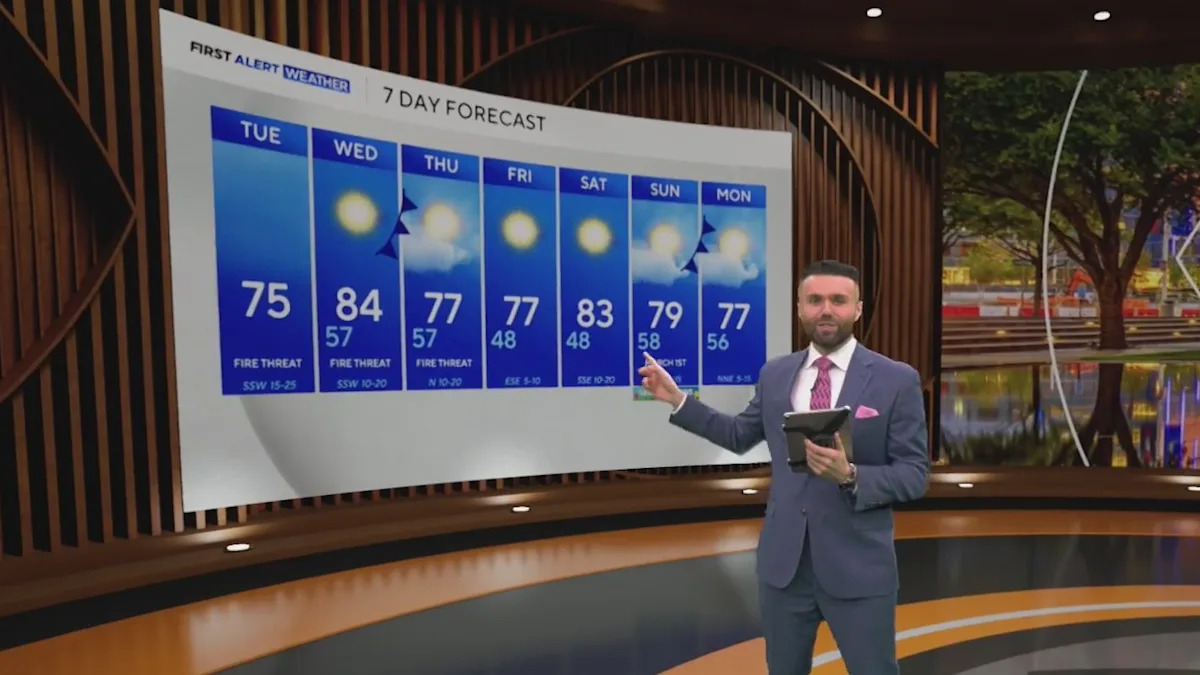
By Tuesday, a steady warming trend is expected to begin. Temperatures will still remain just below average for the afternoon, with highs climbing into the lower 50s. However, this is merely a prelude to a more significant warm-up.
As we approach Wednesday, particularly around New Year's Eve, North Texans can anticipate a much more pleasant forecast. Highs are projected to return to the mid-60s, continuing to climb into the lower 70s by the end of the week. This extended forecast also promises an abundance of sunshine and dry conditions, with no widespread rain chances through the end of the 7-day period. This rapid transition underscores the quintessential North Texas experience: always expect the unexpected, and be prepared for swift changes from one extreme to another.
Conclusion
The current Wind Advisory for North Texas serves as a timely reminder of the region's dynamic climate. From a record-breaking warm Sunday to a Monday featuring strong winds and near-freezing temperatures, the weather has delivered a stark contrast. While the immediate focus is on safety precautions against the wind and cold, residents can look forward to a swift return to milder, sunnier conditions just in time for New Year's Eve and the advent of the new year. Staying informed, taking proactive safety measures, and understanding the nuances of weather alerts like a Wind Advisory are key to navigating these significant, albeit temporary, meteorological shifts.